-
 Continue reading →: Why Most Finance Teams Are Still Structured for Stability, Not Volatility
For decades, finance teams were optimized for stable environments—predictable demand, linear growth, and annual cycles. Their core role was control: closing the books, managing budgets, ensuring compliance, and reporting past performance. But that model no longer fits. Volatility is now the norm rather than the exception. Today’s business environment is…
-
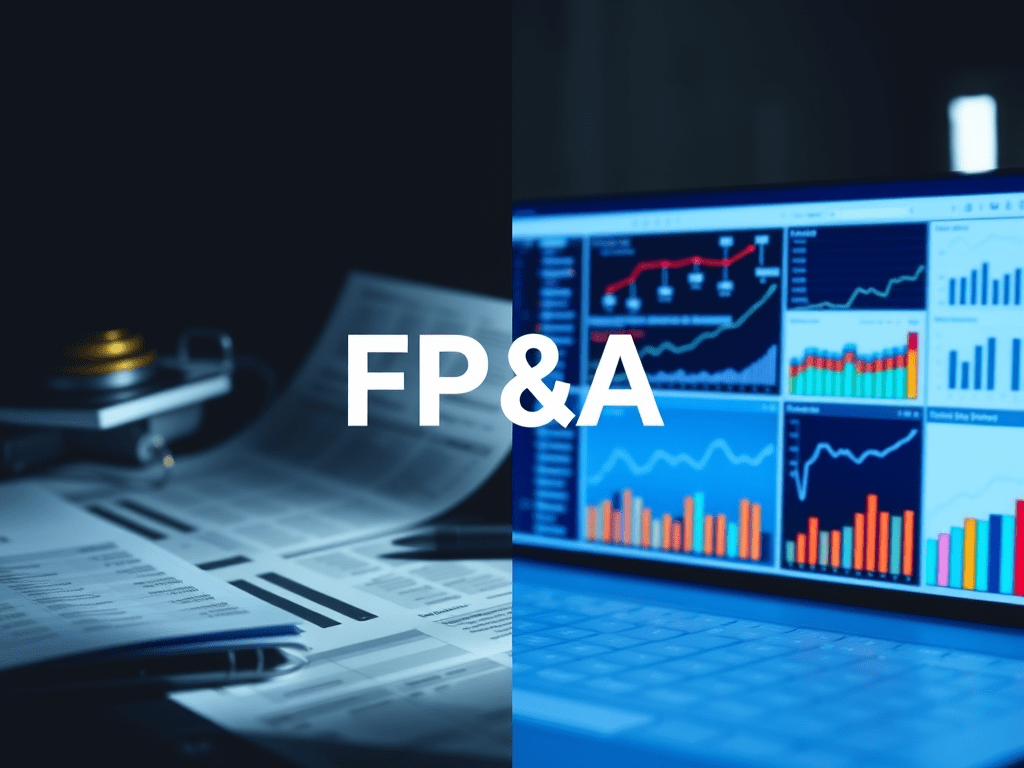 Continue reading →: The Evolution of FP&A: From Reporting to Real-Time Decision Support
In a previous post, I mentioned that Financial Planning & Analysis (FP&A) was mainly seen as a reporting and budgeting department. Its core responsibilities included preparing monthly management reports, explaining variances after the fact, and supporting the annual budget cycle. While this work was essential, it positioned FP&A as a…
-
 Continue reading →: From Planner to Partner: FP&A’s Expanding Role in Growth Strategy
In many organizations, FP&A is still seen as the “budget department”—the team that chases templates, verifies numbers, and ensures everything ties out. But modern FP&A goes far beyond the budget cycle. Today, FP&A is a strategic partner, guiding growth decisions, evaluating opportunities, and helping leaders choose the smartest path forward.…
-
 Continue reading →: Why Excel Remains the Ultimate Tool for FP&A—No Matter What ERP or Finance System You Use
In the modern finance landscape, there’s an ongoing debate that resurfaces every few years: “Is Excel obsolete?” With the rapid rise of powerful Enterprise Resource Planning (ERP) systems, AI-driven analytics, and specialized FP&A software, many assume the spreadsheet’s days are numbered. Yet, suppose you talk to any seasoned FP&A professional.…
-
 Continue reading →: Top 10 Excel Formulas for FP&A Professionals
Discover the top 10 Excel formulas that every FP&A professional should know to analyze data, build forecasts, and streamline financial reporting. Improve your efficiency and accuracy today. 10 Must-Have Excel Formulas for FP&A Analysts In the dynamic landscape of Financial Planning & Analysis (FP&A), Excel continues to be an essential…
-
 Continue reading →: Top Financial Forecasting Techniques for FP&A Professionals
In today’s fast-changing business world, financial forecasting has become both an art and a science. For professionals in Financial Planning and Analysis (FP&A), forecasting is no longer just about predicting next quarter’s revenue—it’s about helping businesses anticipate change, prepare for uncertainty, and make smarter, data-driven decisions. The best FP&A pros…
-
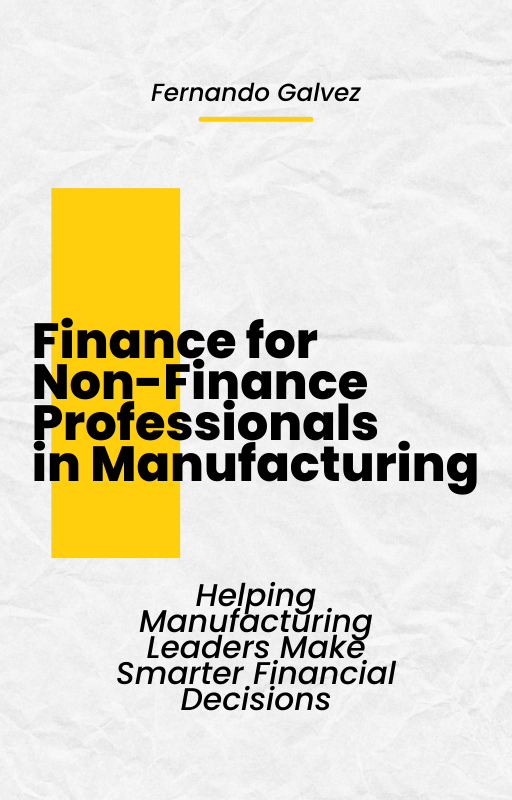 Continue reading →: New Ebook: Finance for Non-Finance Professionals in Manufacturing
If you work in manufacturing, chances are you’ve felt the tension between the shop floor and the finance department. Engineers, supervisors, and managers often say: That’s exactly why I’ve created a new resource: Finance for Non-Finance Professionals in Manufacturing Available now on Gumroad, with weekly chapter previews on Substack. Why…
-
 Continue reading →: The Role of FP&A in Driving Smarter, Data-Driven Decisions
Running a business today means dealing with constant change. Costs rise, customer needs shift, and unexpected events—like supply chain issues or new competitors—can quickly impact a company’s performance. To stay ahead, companies cannot rely solely on gut feelings or outdated financial reports. They need clear insights that help them understand…
-
 Continue reading →: Rolling Forecasts vs. Annual Budgets: Why Smart Companies Don’t Rely on Fixed Plans”
How to Create a Rolling Forecast (and Why It Beats Annual Budgets) If your company still relies solely on annual budgets, you may be missing out on a more effective way to plan: rolling forecasts. Unlike traditional budgets, which are set annually and often become outdated quickly, rolling forecasts are…
-
 Continue reading →: Using Historical Data for Accurate Financial Projections
Financial projections are a roadmap for your business. They help you plan your cash flow, control expenses, and make smarter investment decisions. But projections only work well if the numbers behind them are reliable. One of the best ways to make your forecasts more accurate is by using historical data—your…
Welcome

This blog delivers practical insights, tools, and strategies for finance professionals in manufacturing. From forecasting and budgeting to Lean cost control and dashboard automation, everything here is built to help you simplify complexity and drive profitable growth.
Let’s connect
Join the fun!
Stay updated with our latest articles by joining our newsletter.
 Lean Finance and Operations