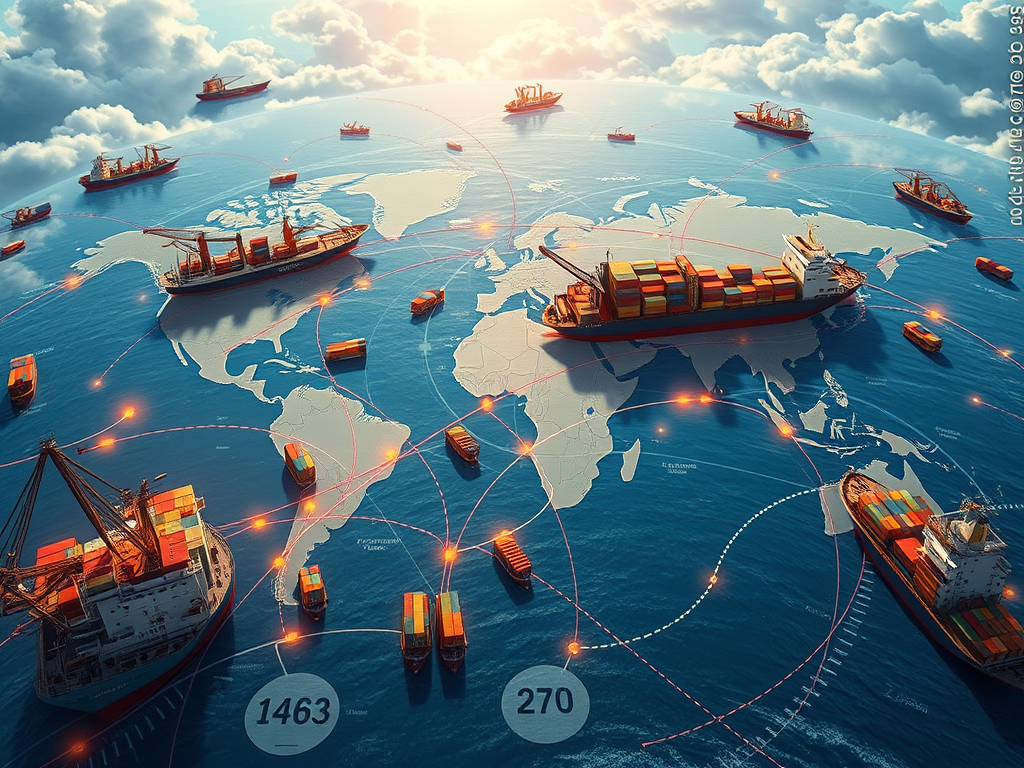
In the contemporary global economy, companies conduct their affairs in an interconnected world. No matter how large or small your business may be, global trade decisions—particularly tariffs and trade wars—can have a direct effect on your profitability. Trade conflicts can disrupt supply chains and drive the prices of both imports and exports higher. They can create uncertainty and dampen investment. Yet with the right tactics, businesses can not only get through these trade storms but also emerge from them stronger.
Here is how businesses can get ready for tariffs and trade wars to remain functional and competitive.
Understanding the Impact of Tariffs and Trade Wars
The tax that is levied on goods brought in from other countries is called a tariff. It is used to protect domestic industries and to balance what we might call unfair trade. When countries start raising tariffs and enacting different kinds of trade restrictions in response to what they see as unfair trade, we call that a trade war.
The impact on businesses can be fast and considerable:
- Heightened expenses for imported materials.
- Supply chain delays
- Reduced opportunities to access the market for those who export
When you cannot be certain about something, it makes planning and budgeting far more difficult.
Take the U.S.-China trade war of 2018–2019. It caused price rises, inventory snags, and the disruption of quite a few well-laid plans. It forced many companies to find new suppliers. The takeaway: companies must be proactive in managing their supply chains, not just reactive.
1. Diversify Your Supply Chain
Counting on a single nation—or even a single supplier—for vital resources or products is dangerous. Good can instantly become tariffed and thus much more costly coming from that corner of the world. A better way is to have a supply chain that’s more like a diversified portfolio.
- Obtain supplies from several different countries. If tariffs impact one area, you can adjust without much disruption.
- Identify nearby wholesalers. Though they may charge more, securing provisions from local merchants shields you from the jarring impacts of international commerce.
- Cultivate connections with other vendors. Don’t let a crisis be the catalyst that makes you find fresh suppliers.
2. Keep Up With Trade Policy Changes
Frequent and rapid changes made by the government in trade policy catch many by surprise. Often, these changes come with little warning. Yet several factors, like new presidential administrations, arise issues in U.S. diplomacy with other countries, or negotiations with trading partners that go awry, can cause the landscape to shift quite dramatically overnight.
Maintain knowledge of current events:
- Oversee governmental trade websites.
- Enroll in newsletters focused on trade and economic matters.
- Seek counsel from legal or trade compliance authorities.
Staying current means you can respond in a timely way—be that re-evaluating your pricing, resourcing, or securing tariff relief.
3. Re-evaluate Pricing Strategies
When the cost of doing business goes up due to tariffs, the consequent price increases are frequently passed along to consumers. But just raising prices might impair your competitiveness.
- Employ data to gauge pricing delicacy. Understand what your patrons can abide.
- Be open and honest with customers. Inform them of the reasons behind the alterations in pricing.
- Identify methods to lower internal expenses. Reducing waste and boosting efficiency seem like the kind of things that would be best left to a company’s operations team. Still, virtually all functions—especially if they have direct contact with customers or suppliers—can play a role in identifying and implementing cost reduction.
4. Explore Alternative Markets
If tariffs make your products too costly in one nation, find another market. Products too expensive in one nation, thanks to tariffs, are finding markets in multiple other nations.
For exporters, it can open up new opportunities to shift focus to markets that are less hostile or tariff-heavy. If you can no longer compete in China, perhaps Southeast Asia or Latin America can offer untapped potential.
Diversifying your market reduces risk and dependence on any individual country.
5. Invest in Automation and Efficiency
Companies are bound to face the blow of a trade conflict. One strong response is to achieve greater efficiency by automating and otherwise improving their operations.
- Employed AI or software tools to lower the quantity of manual tasks.
- Logistics and inventory management should be without frills and straightforward.
- Production should be optimized in order to reduce material waste.
These actions render organizations more nimble, less cumbersome, and more resilient in a time of global uncertainty.
6. Collaborate with Industry Peers and Associations
When trade restrictions hit, many companies find themselves in the same situation. So, joining through industry associations or business coalitions can help amplify your voice and share insights.
- Advocate for a trade policy that favors us.
- Gain entry to communal legal resources or lobbyists.
- Educate yourself by observing the strategies and errors of others.
Belonging to a community equips you to stay ahead of the curve and respond far more effectively.
7. Build a Resilience Mindset
Disruptions to trade are not always easy to foresee, but they are a natural occurrence. The most successful companies are those that construct their business models to weather such storms. They plan for a multitude of different scenarios. They are financially ready for short-term mayhem. And, most importantly, they are agile.
Consider it a protracted investment. Those firms that took the time to get ready for the previous trade war did markedly better than those that didn’t when the war was over. The next set of business disruptions will play out in much the same way.
Conclusion: Stay Proactive, Not Paralyzed
Trade wars and tariffs are here to stay. The ever-globalizing, ever-complicating economy means your business is tied to international waters like never before. You can’t affect foreign politics, but you can affect how your business plays in foreign scenarios.
Your business can survive—and even discover new chances in the disorder—by diversifying supply chains, remaining enlightened, reconsidering pricing, and enhancing operational efficiency.
Power comes from being prepared. In the global sphere of trade, companies that not only survive but thrive and achieve prominence are those that have done the necessary prep work.







 Lean Finance and Operations
Leave a comment